Why tune in?
Foster mutual understanding
About the Conference Series
The current military action on Iran by the U.S. and Israel is not only reshaping Middle East geopolitics, but also exposing the underlying assumptions of the global energy order and accelerating a broader reckoning around energy resilience, independence, and strategic leverage. As the conflict reveals the structural limits of existing energy architectures, it has surfaced vulnerabilities that demand strategic repositioning and reinvention, with China emerging as a central actor.
This virtual conference seeks to explore questions around how China, a nation deeply embedded across both traditional supply chains and modern clean technologies, is navigating this period of profound uncertainty and, in turn, what this means for the rest of the world.
The virtual conference will examine the Strait of Hormuz crisis and its near- and long-term implications through a China lens. As regional order shifts and countries seek more secure and diversified energy pathways:
- What is this doing to the energy map of the world, and how are poor countries being affected?
- What is China’s role in helping to negotiate a deal, and how do other nations see China’s role?
- How will Beijing navigate the delicate balance between domestic energy demand and mounting external pressures and expectations?
- How will China effectively recalibrate its energy strategy in response to these challenges?
- How is the crisis reshaping its relationship with the Gulf, Africa, and the wider Asian region, and its influence within the emerging global energy map?
Discussions will also assess whether Chinese clean-tech capabilities and alternative resource strategies are inadvertently or deliberately restructuring the foundations of global energy governance and economics.
China in the World Series
Part 2
Geopolitics & Conflicts: Is China’s Balancing Act a Global Good?
China in the World Series
Part 1
One Belt One Road: What’s Next in the New Multi-Polar World Order?
China in the World Series
Part 3
The Chinese Emphasis on Culture: Manifestation of Nationalism or a Return to Basics?
Past Speakers
A snapshot of our continually growing faculty, representing the best minds in business, economics, science, geopolitics, technology, policymaking, governance, and more.
Past Speakers
Conference Programme
Part 1: The U.S. Conflict on Iran: Redrawing of the World Energy Map and China’s Role
Time
Session
Time:
16:00 - 16:30
Session:
Time:
16:05 - 16:30
Time:
16:30 – 17:45
Session:
Panel 1
How is the Global Energy Crisis Rewriting Energy Security and What is China's Role in the World Energy Map?
The ongoing conflict around the Strait of Hormuz has upturned assumptions about global energy supply chain stability, exposed vulnerabilities in critical chokepoints, and accelerated the unravelling of traditional energy security arrangements.
For China, this is forcing a reassessment of its energy security calculus and broader strategic outlook.
China has long sought to protect itself from external shocks via diversification, reserve planning, and deeper regional engagement. However, the current global energy crisis is testing the limits of these measures in an increasingly fractured and unpredictable global environment. At a deeper level, the crisis raises questions about how global energy security is being redefined in an age of persistent geopolitical disruption, what role China will ultimately play, and what wider diplomatic and regional consequences may follow.

Potential discussion areas:
- Understanding the new energy map: How is it evolving, and how are different regions impacted, particularly for China and those in more vulnerable positions?
- Strategic shifts: With China in a more secure position, what is its role in this new energy landscape while it redefines its own energy strategy?
- Diplomatic manoeuvrability: How is China managing the balancing act between maintaining ties with major energy suppliers and navigating the shifting alignments triggered by the conflict? How are other nations also recalibrating?
- External expectations: How is China increasingly perceived – as a global energy stabiliser, challenger, or system-shaping actor? How are global alignments being reordered in response?
Panellist:
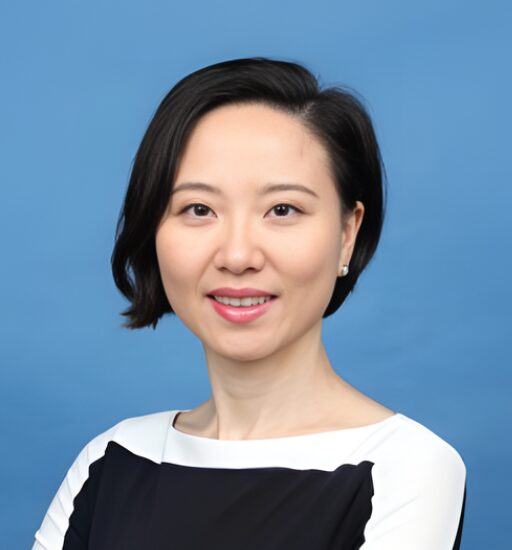
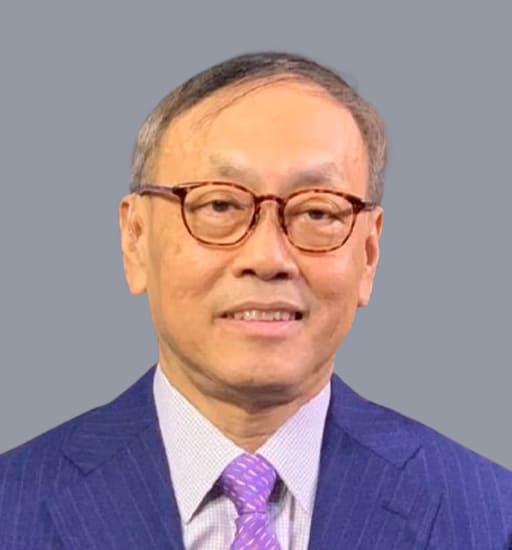
Prof. Lok Sang Ho
President, Hong Kong Buddhist Psychology and Mental Health Association
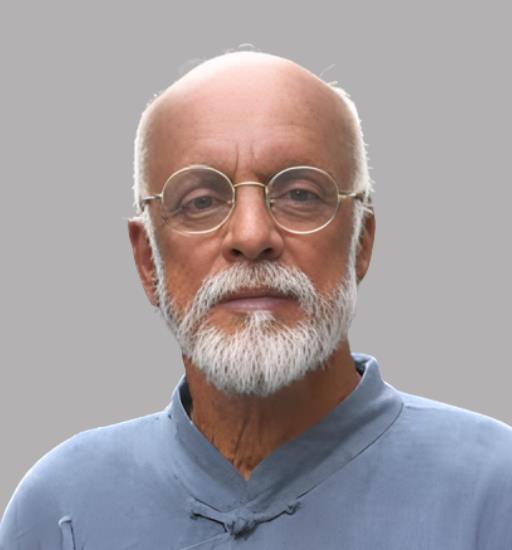
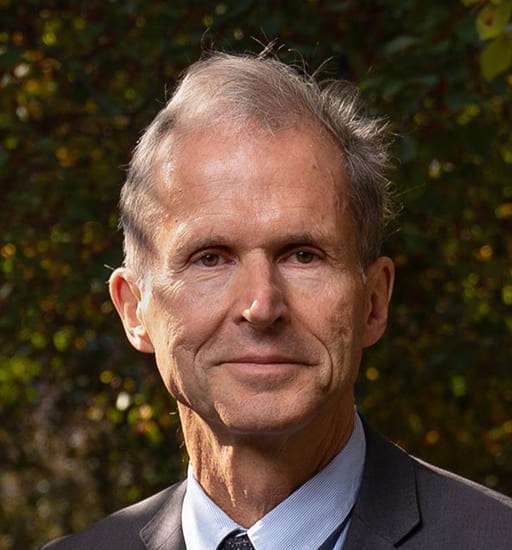
Prof. Martin Powers
Professor Emeritus, History of Art at University of Michigan | Professor, School of Arts at Peking University
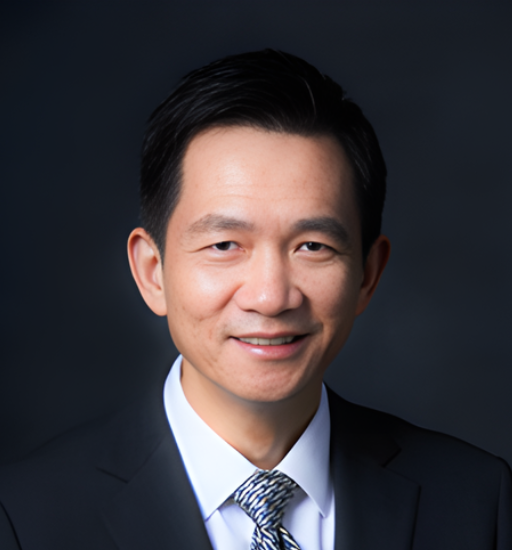
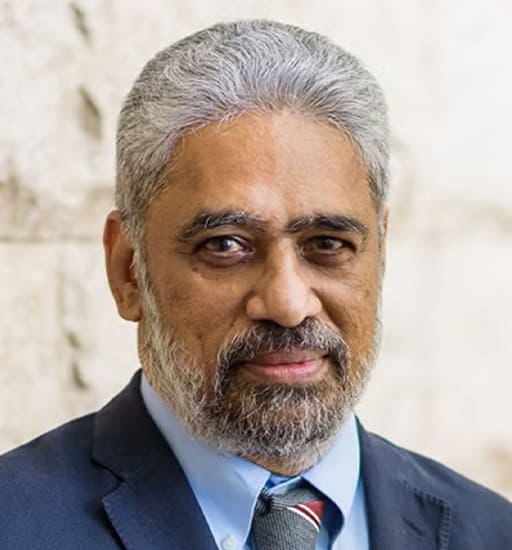
Dr. K.P. Shankaran
Columnist, The Indian Express | Former Professor of Philosophy, St. Stephen’s College, University of Delhi
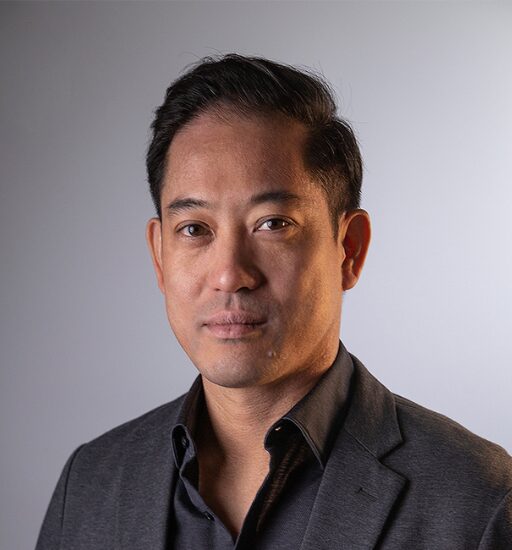
Brian Wong
Founder and CEO, RADII Media | Managing Director, Aspen Institute China Fellowship Program
Time:
17:45 – 19:00
Session:
Panel 2
Turning the Global Energy Crisis into a Clean Energy Revolution and What is China's Role?
As the global energy map undergoes a profound structural transformation, China has emerged as a central and complex actor. This panel moves beyond conventional “green transition” narratives to assess China’s dual roles: as potential leader and contender in renewable technology and industrial solutions, and as a strategic manager of traditional energy systems. The discussion will explore whether this unique positioning grants meaningful strategic leverage and influence in global negotiations, or whether it introduces new vulnerabilities and dependencies.
For some countries, Chinese technologies may offer a practical pathway to diversification and resilience. For others, they risk creating new dependencies in place of old ones. The conversation will explore how different regions and industries are responding, and whether the global energy crisis is driving a more distributed energy future, or simply replacing one concentration of power with another – with China at its centre.
Potential discussion areas:
- China as an “energy broker”: Does China’s control over both non-renewable strategic reserves and green tech manufacturing create a unique position of leverage in global energy negotiations? How are countries / regions responding at the other side of the negotiation table?
- Inherent vulnerabilities: What risks emerge as China becomes more central to global energy flows and decision-making
- Regional perspectives: How do different countries and regions perceive China’s role in the renewable energy space – as a stabiliser, pioneer, competitor, or energy broker?
- Strategic permanence: Are China’s actions defining a new energy order, or are they primarily adaptive responses to ongoing conditions?
Panellist:
Sara Mao
Auctioneer | Founder, The Culture Atelier
Dr. Heather Inwood
Professor, Modern Chinese Literature and Culture | Fellow of Trinity Hall, University of Cambridge
Brian Wong
Founder and CEO, RADII Media | Managing Director, Aspen Institute China Fellowship Program
Prof. Chunmei Du
Head & Associate Professor, Department of History, Lingnan University
Time:
18:30 – 19:00
Session:
Register now to explore the forces behind China’s growing cultural influence
Gain insights into China’s growing cultural influence, from the blend of heritage, to modernity and the strategy shaping its global reach.
More insight and resources
Catch up on key insights from GIFT past conference series—Watch, Read, and Explore!


![[NEW] The Geostrata Long Blue Logo](https://global-inst.com/wp-content/uploads/2025/08/NEW-The-Geostrata-Long-Blue-Logo.png)