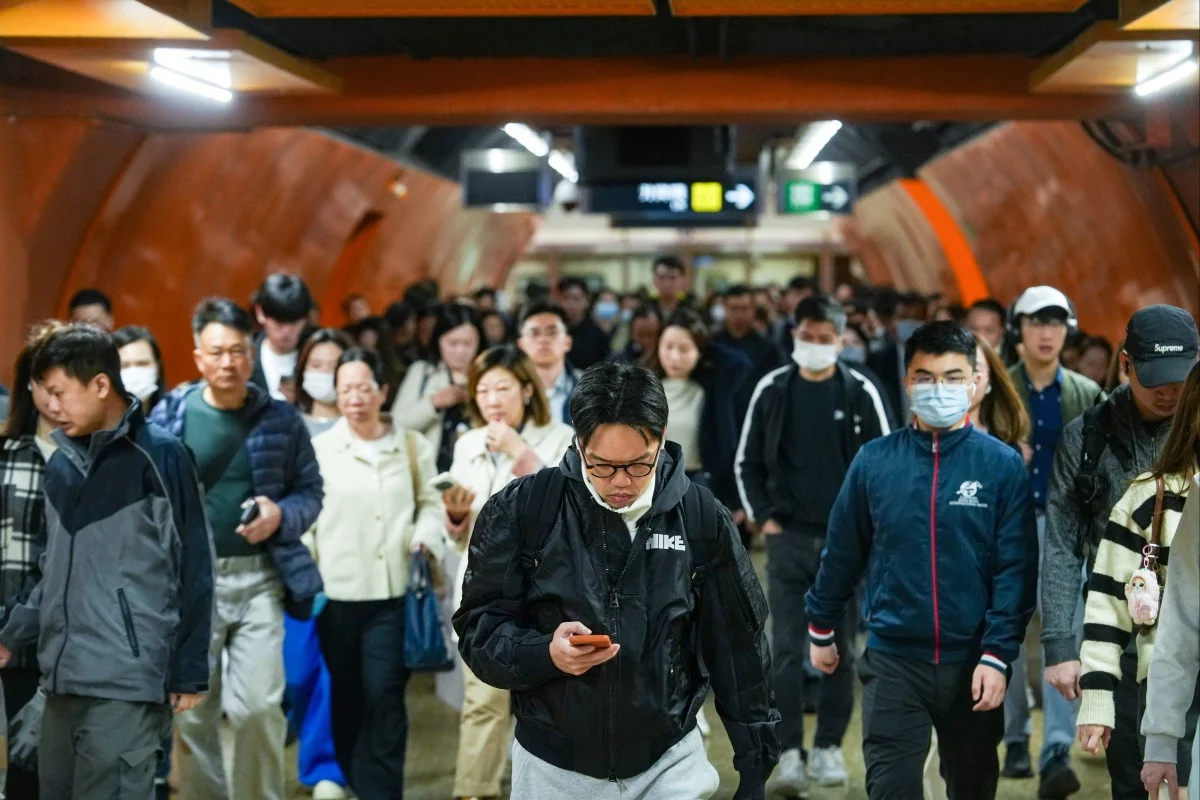
Artificial intelligence (AI) is eroding the very capabilities young professionals need to remain valuable in a machine-automated era. That is the real challenge facing graduates entering the workforce. It is not simply a case of AI destroying jobs – though it is – but that it is undermining our cognitive and interpersonal skills.
“
Time is short, and a generation of unemployed graduates is waiting. The government must act to derail a train bound to crash into aspiring young graduates.
One way to start is to urgently rethink and retool existing subsidy frameworks. Hong Kong’s Research Talent Hub provides salary allowances for R&D roles.
Rather than allowing firms to merely offset the cost of low-level technical headcount, the subsidy should be conditional on evidence of “cognitive apprenticeships”, encouraging a shift away from a focus on cheap labour towards a deliberate investment in building capability.
Bolder still, regulators should introduce cognitive capability standards in professional licensing and accreditation. If you want to practise law or accounting, you must show you can reason through a complex problem without an algorithm. This would create artificial market demand for human skills at risk of atrophy.
Employers must redesign junior roles. Just as pilots must learn to fly manually before relying on autopilot, companies can structure early-career positions so that AI helps rather than generates, reducing the extra work to parse “AI slop”. New hires can be required to reason through problems and use AI only to check their work, not replace their thinking.
After over 20 years of experiential learning across Asia, our team at The Global Institute for Tomorrow understands productive struggle. Working on real problems in unfamiliar contexts builds judgment, resilience and problem-solving skills that are immune to chatbot competition. Companies may in the end decide to bond junior employees with a contract under which professional development is provided in return for a promise to remain for a minimum period of time.
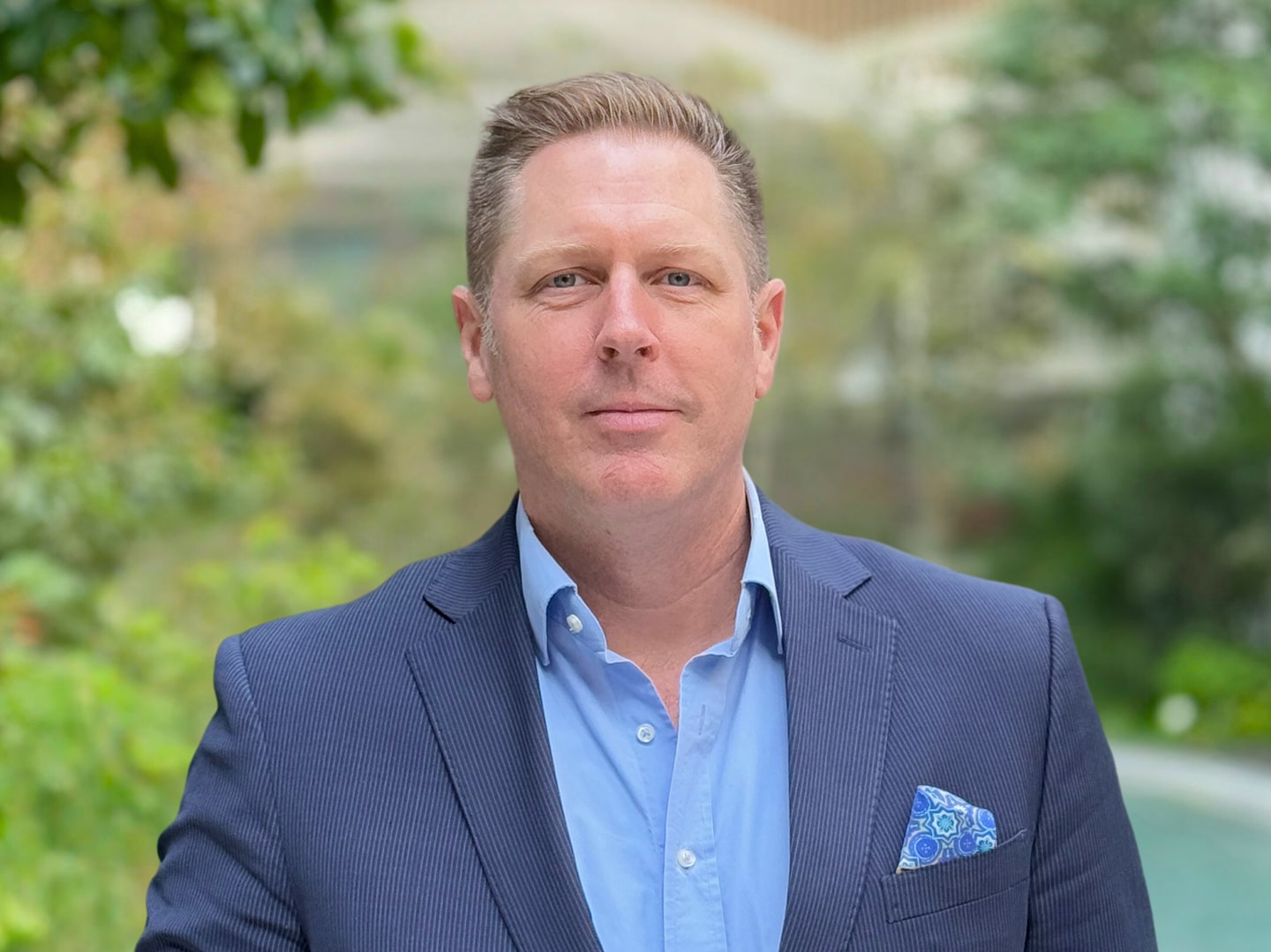
Eric Stryson is Managing Director of the Global Institute For Tomorrow (GIFT) in Hong Kong. He possesses expertise in governance, business model innovation, leadership transformation, talent development, and sustainability. He coaches leaders from business, government, and civil society to critically examine their roles, look beyond conventional wisdom, deepen their understanding of global issues, and take ownership of their impact on their organisations and society at large.