
“
Pig farming is not the biggest threat to our rivers.
At the outset let us be clear and acknowledge that pig farming is not the biggest threat to our rivers. If we truly care, we should in fact be more concerned about the current proliferation of highly polluting rare earth mines, given the growing global demand and investments in that sector, as their environmental impacts can be far-reaching. The pollution of the Perak River from one such mine a few weeks ago was a major incident — the river turned bright blue and radiation readings were found to be 13 times above permitted limits — but it disappeared from the news after a few days. It is unclear if legal action was taken against the culprits for such large-scale negligence and damage.
The focus on pig farms is odd and even misleading. It is interesting that there are very few media reports looking into the rights and wrongs of the issue based on the facts and science. But then again, the reasons for targeting pig farms may have little to do with pollution.
If there is a genuine concern for pollution reduction, then it is a significant reversal of prevailing attitudes towards the environment, our rivers and other surface water bodies. Many of them are in dire straits and not because of pig farms. Thus, it is important that we get the facts right so that the public is better informed about the issues and the decisions being taken.
Let’s examine the main sources of water pollution.
There are many sources of pollution which contribute to surface water contamination. These can be broadly categorised as follows.
The largest volume and biggest risk is untreated human waste. This can be due to inadequate coverage by proper sewerage treatment systems, despite claims by the authorities that the country has 80% sewerage coverage. Compounding this is the large number of illegal discharges of untreated sewage and many poorly designed and operated wastewater treatment facilities across the nation which are unable to regularly meet discharge standards. Finally, there is the issue of the appropriateness of the discharge standards themselves.
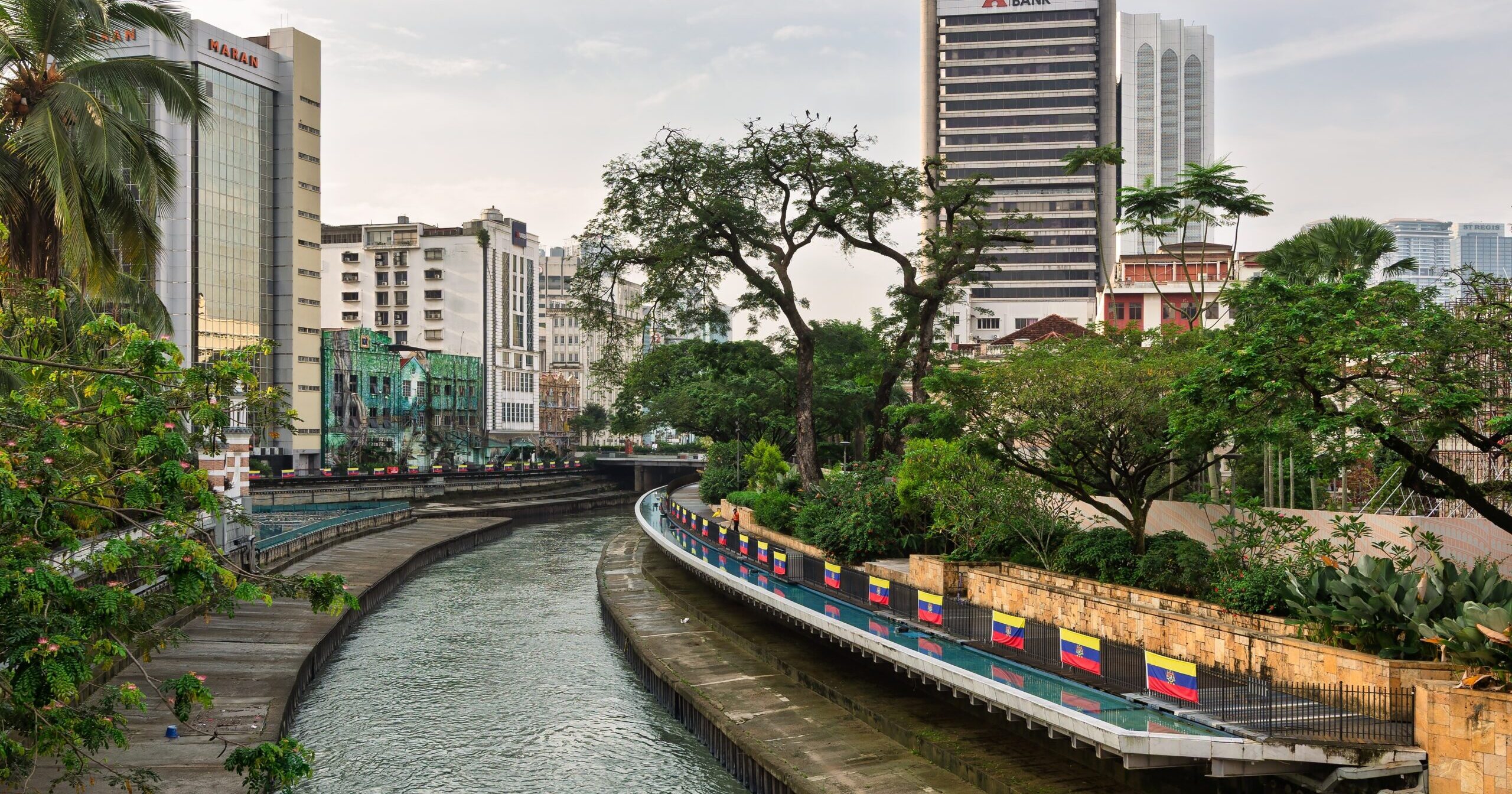
Having a modern toilet in an urban area is only the most basic starting point of a sewerage system. What happens after the flushing is what matters most and involves many steps. Even in KL, grey water flows into open drains in many residential areas — such as Bangsar — and not into sewers. It would be good to know the levels of faecal contamination in the Klang River as it passes through the urban area, as that would be one very good indicator of water quality.
The levels of treatment required depend on the ecological sensitivity and designated use of the receiving water body. Given the current interest in protecting our rivers, there is an opportunity now to review sewage treatment in the country and raise awareness, as it is often a case of “out of sight and out of mind”. The authorities should provide accurate figures about the percentage of the population connected to a well-functioning sewerage system and what percentage of sewage is treated to the necessary discharge standards.
It is likely that sewerage networks and treatment plants meeting international standards currently serve below 50% of the population, even in the Klang Valley area — happy to be proven wrong. It should be noted that having a sewer system does not guarantee that sewage is being treated to required standards. These are highly complex biochemical plants to operate; they require specialised teams, and steadfast monitoring and enforcement are critical. If the visible evidence of water quality in the Klang River — and most rivers in urban areas — is anything to go by, then sewerage coverage is inadequate and discharge standards are not being met.
What is certain is that the daily pollution loads from untreated human waste into our surface waters can be significantly larger than all the discharges from pig farms. Thus, if we are serious about our rivers, we should be prioritising investing in sewers across the whole country first. In parallel, we should aim, by building well-run sewage treatment plants, for zero-discharge of untreated sewage to surface waters, as is the practice in countries like Japan. We will need to prioritise investments in toilets, sewers, and state of-the-art sewerage treatment plants before pouring more money into fibre optic networks, data centres, and highways. Let us make sure every school has excellent toilets and that these are connected to a sewer system and not a small, poorly maintained septic tank.
The second largest source of pollution to surface waters is from agriculture. As we are primarily an agriculture-based economy in terms of land use (plantations, mills, etc.), this is a large and insidious problem as much of the industry is heavily reliant on the use of chemical inputs. Leaving aside animal husbandry, the main threats are from the use of fertilisers, pesticides, and herbicides (many banned substances are still in use), which heavily contaminate surface water, groundwater, and marine eco-systems, degrade soil, not to mention harming humans due to direct exposure and by entering food chains.
At the other end of the agriculture industry are the pollutants resulting from downstream processing of produce. Here, the largest sources of pollution, given the scale of the industry, are from palm oil waste, which is very difficult to treat, even though the use of bio-gas reactors is growing. Sludge disposal and other pollutants continue to threaten fresh water sources.
The third category can be broadly categorised as industrial wastewater, and this can range from industrial manufacturing effluents bearing toxic heavy metals to those from petrochemical sites, mines, chemical plants, the electronics industry, and food processing. These would include the thousands of SMEs (small and medium-sized enterprises) which discharge effluents containing hazardous materials into drains and open waterways, and the dumping of sludges and toxic hazardous materials on land. Their collective impact on waterways — surface, groundwater and marine — is likely to be much larger than all the pig farms put together, yet regulation and enforcement are feeble at best.
And finally, to put things in context, it is worth having a look at wastewater from the meat industry. These would typically include all the wastewater generated during the life-cycle of meat production, from farm to plate. Both the farm and the processing plant generate significant quantities of wastewater, depending on the farming techniques and processing methods used, and can pose a real risk to our rivers if not strongly regulated and managed. But this is not just the pig industry. An overlooked fact is that there is more wastewater generated from the chicken and beef industry, given that the quantities consumed are much more than pork, even if a large amount is imported. But it is true that pig waste at the farm is more difficult to handle because of its messy nature and especially if farmers are reliant on non-modern production techniques. Moreover, small farms will not be able to invest in the advanced treatment processes needed. Thus, they are best clustered so that there are economies of scale and wastewater treatment is a shared utility with support from the government. The same logic would apply to other types of meat production facilities.
What is an established fact is that, at the farm level, the raising of industrial meat for human consumption has large-scale environmental impacts, from land use to climate and water pollution, water intensity, fodder production, and the excessive use of steroids, vaccines, and antibiotics — to accelerate growth — not to mention being a conduit for vectors which transmit disease from animals to humans, eg, bird flu.
If we now focus our attention on the current debate about pig farm waste, then it needs to be understood that smell is the least of any concern from a human health point of view, though it is a social issue. The real question is how the waste (mainly excreta and urine) is dealt with and treated. This would be the same for large, high-intensity chicken farms and cattle breeding pens. The answer depends on the starting point: what are the regulations to be met, the enforcement protocols, and monitoring regimes. This is often poor and the bane of most aspects of pollution control in the country. Regulations exist, even if many may be outdated for the times we live in, but enforcement is the key, which is often wanting, and corruption is a major factor. Many in the supply chain lack knowledge too.
If the basic building blocks of regulatory oversight, education, planning and design are in place, then it boils down to putting in place the needed technology and having stringent management systems in place to contain all the waste and treat it to meet standards that are suitable for surface water discharge. This can vary according to the location and status of the receiving water body. Therein lies the pain point, as this requires investment. It is highly likely that most farms are not meeting the standards as stipulated in the regulations, and thus the legitimate complaints from stakeholders. But pig farms wouldn’t be the only ones; this applies to almost all industries, from plantations to mining and manufacturing.
The fact is that there are methods of pig farming that can turn farms into well-managed operations which pose little or no harm to humans or the environment and are designed to treat wastewater to meet the national discharge standards and even go beyond. One only has to go to China to see the revolution that has taken place there in the last decade — after various nationwide incidents — with regard to standards for pig farming to know that the technology exists, and it requires investment, sound management, and stringent enforcement. But let us be clear: this would also need to apply to chicken farms, cattle rearing, and plantations, etc.
It is also very telling that it has been reported that although state-of-the-art pig farms have been considered so that they do not pose a risk, they may be too expensive for the industry. This apparently would make them difficult to introduce as it would increase the price of pork.
This rationale exposes an important misunderstanding about the economics of any business, and the application of the polluter pays principle. It is also a reflection of a poor understanding of why we have standards. Standards are established and backed up by legislation because these in turn shape the business model to protect public goods like the environment. It also exposes a key failing of current economic models which thrive on underpricing consumption by externalising the cost of pollution. The fact is that environmental standards are set to protect public goods like rivers, and any industry which has a footprint that would damage the environment would need to meet those standards. The cost of meeting those standards is the cost of doing business, irrespective of whether it is pig farming, palm oil plantations, or rare-earth mining.
The fact that many industries do not meet those standards exposes the weaknesses of the regulatory institutions. These weaknesses, due to lack of resources, inefficiencies, inadequate investments in technology, incompetence, or even corruption, are long standing and need to be addressed by the government. The cost of meeting regulations and standards is the cost of protecting the environment and is then reflected in the price of the product, be it a kilo of pork, a tonne of palm oil, or an ounce of rare earths. So before we simply look at pig farming, let us be clear about what it is we are concerned about and then tackle the problem at source by understanding the science, confronting the institutional reforms needed, and accepting the inconvenient truth about pricing our consumption to reflect the true cost, which should include protection of public and common goods such as our rivers.
“
The cost of meeting environmental standards is the cost of doing business.
And in conclusion, if we are also to protect our rivers and natural environment, then let us use science and facts to guide our decisions before we accept more investment in environmentally damaging industries like data centres and rare-earth mining.
In terms of harm to the environment, these are a lot more harmful than pig farms.
Chandran Nair
Chandran is the Founder and CEO of the Global Institute For Tomorrow (GIFT), a pan-Asian think tank dedicated to helping organisations navigate global complexities. His work focuses on the shift of economic and political influence to Asia, the evolving role of business in society, and the transformation of global capitalism.