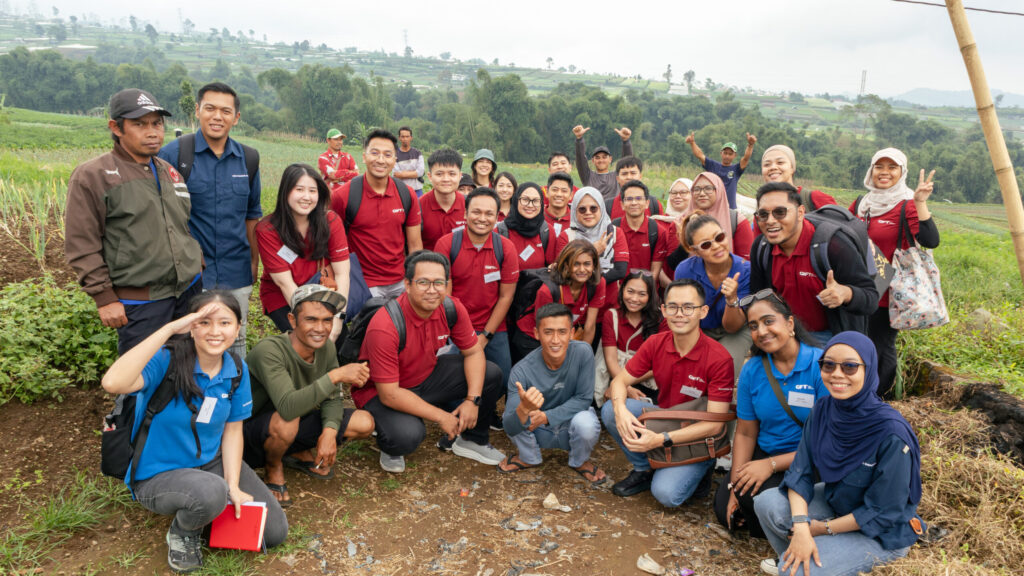
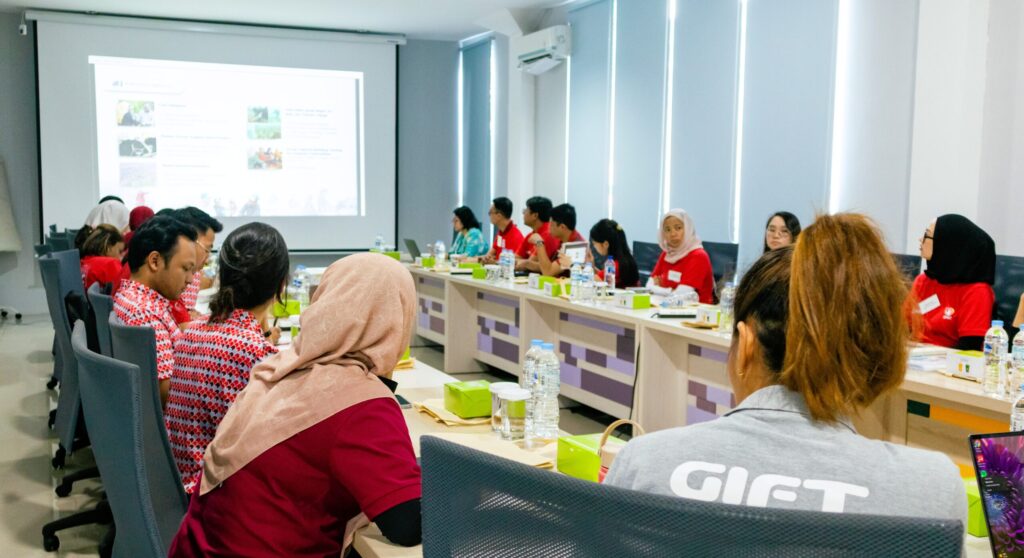
Over five days in April 2026, the GIFT team brought a group of emerging leaders from a regional bank to Cianjur, Indonesia for an immersive experience in conservation and agriculture. What they encountered was not a simple story of environmental degradation, but a far more complex reality that challenges how we think about conservation, livelihoods, and leadership.
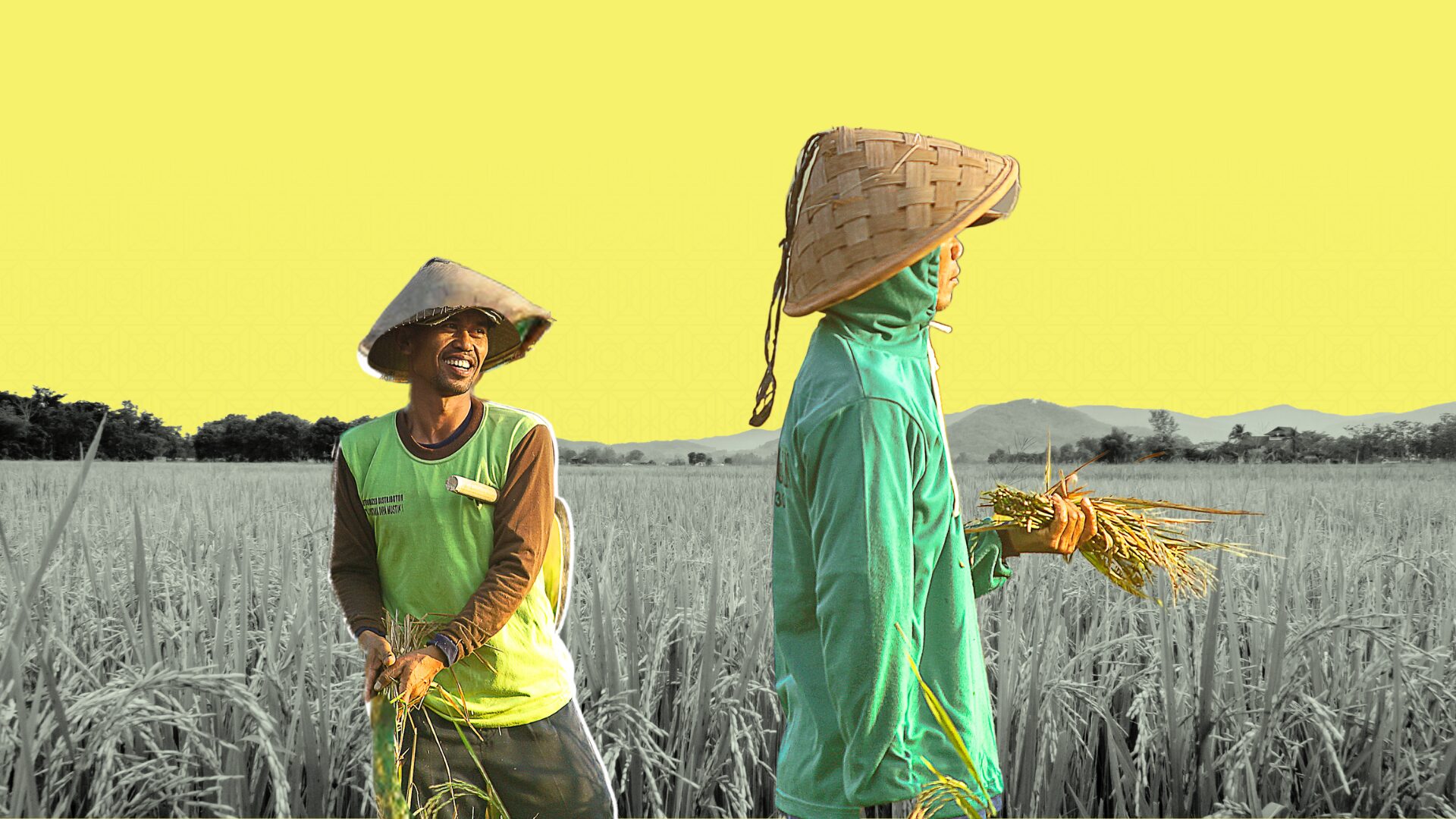
Desa Galundra in Cianjur sits on the edge of Mount Gede Pangrango National Park, where farmlands border a conservation area. Representatives from the National Park authority, the Balai Besar, described their challenges: smallholder farming, poaching, informal logging, road construction, and rivers polluted by domestic waste. At first glance, it looks like a familiar case of encroachment, people extracting from nature with little regard for long-term sustainability.
But the truth is more nuanced. Before 2003, this land was officially designated as a forest production area, where farmers were given permits to farm. When the government reclassified the area as a national park in 2003, these same communities suddenly became “illegal” on land they had depended on for generations.
After decades of monitoring and communication, encroachment has not stopped, largely because farmers depend on this land for their livelihood and no alternative land was arranged for them. Conservation efforts that ignore livelihoods are unlikely to succeed, and without viable alternatives, people will continue to rely on the land in the only ways they know.
This reflects a broader global lesson. Many conservation initiatives have failed because they excluded local and indigenous communities from land use and decision-making and are sometimes criticised as a form of “colonisation”, often displacing communities who had lived with and cared for these landscapes for generations. Frameworks such as UNESCO’s Man and the Biosphere promote integrating conservation and human activity, but often overlook structural constraints, such as limited funding, weak policies, and uneven stakeholder engagement.
Leadership in the face of complexity
In response, the Indonesian government introduced a restorative justice approach known as the conservation partnership in 2023. The purpose was to build the local economy over a ten-year period while transitioning agriculture into a forestry-based system. During this time, farmers rehabilitate their land with endemic species, which they will eventually be allowed to harvest.
It is an important recognition that conservation must work with people, but if not carefully designed, it risks replicating the shortcomings of previous models.
For our participants, this became a live leadership challenge. They were tasked with designing what an effective conservation partnership could look like at Mount Gede Pangrango. The complexity required them to think systemically, balancing funding, policy, and stakeholder incentives. To navigate this, participants applied GIFT’s KCE framework (Knowledge, Communication, and Empathy) to understand the issue holistically:
- Knowledge to analyse cross-sector dynamics
- Communication to align diverse stakeholders
- Empathy to ground decisions in lived realities
Three lessons emerged.
First, conservation and livelihoods are not opposing forces, but interdependent. Modern life has caused a misconception that treats humans and nature as separate systems. Yet practices such as agroforestry and conservation agriculture, many rooted in indigenous knowledge, show how ecological restoration and economic productivity can coexist. For example, in the Philippines, Indigenous and Community Conserved Areas (ICCAs) such as Pangasananan show how communities can sustainably manage ecosystems through traditional governance and locally rooted livelihoods.
Second, community participation and ownership are not optional, but essential. Sustainable conservation depends on whether local communities can thrive. Skills development, access to markets, and alternative income streams (including alternative land) must accompany environmental policies, because without economic viability, encroachment will persist regardless of enforcement. Models like “One ranger per household” policy at the Sanjiangyuan National Park in China highlight how aligning livelihoods with conservation roles can create shared accountability.
Third, urbanisation is not a universal solution. The assumption that rural populations should transition to urban wage employment overlooks critical issues, food security, cultural continuity, and ecological resilience. A more balanced model enables people to build dignified, sustainable livelihoods where they already live.
Implications for Business Leadership
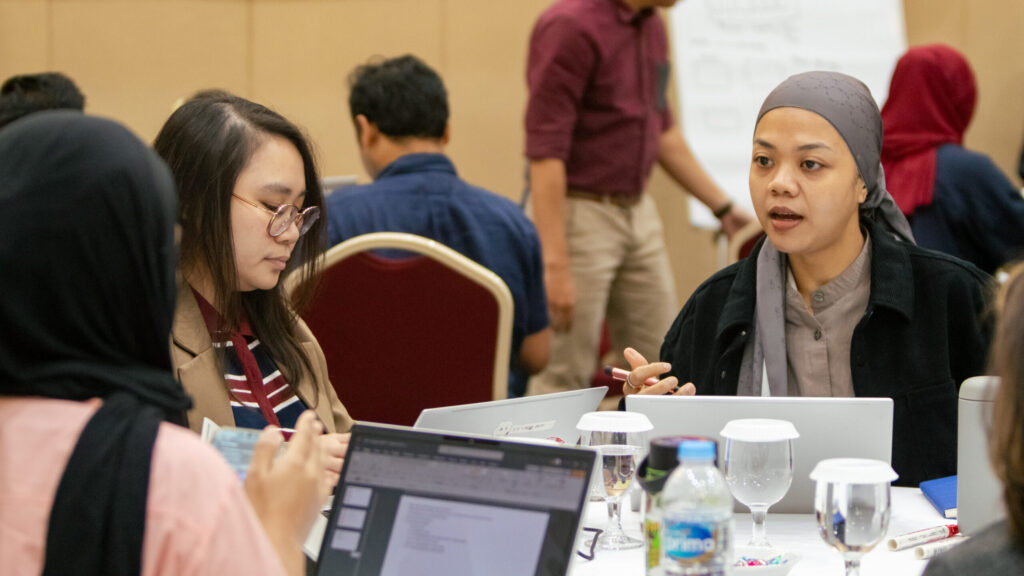
The project carries two critical implications for business leaderships. First, it shows that real-world complex issues require decision-makers who are committed to systems thinking and willing to redesign how value is created and shared across ecosystems, economies, and communities. Business leaders in today’s world must possess the skills to navigate diverse stakeholder interests: engaging governments and industry peers, understanding the perspectives of local communities, and negotiating shared solutions. This requires both the humility to learn and the willingness to share responsibility for long-term outcomes.
The second implication is on the role of business in conservation. Forests underpin water security, agricultural stability, and resilient supply chains, making them central to business value. While mechanisms such as conservation levies and Payments for Ecosystem Services are gaining traction, many global offset schemes have struggled to deliver meaningful local impact. A more effective approach is place-based: investing directly in the ecosystems that businesses depend on. Around Mount Gede Pangrango National Park, for instance, companies could channel transparent levies into forest restoration and community livelihoods, strengthening both ecological outcomes and local resilience.
Indonesia’s extensive national park network offers a powerful opportunity to scale such models. With the right governance and financing structures, including instruments like green bonds, business investment can be aligned with long-term environmental stability, turning conservation from a cost into a shared foundation for sustainable growth.

Pearly is a Senior Programme Manager at GIFT ASEAN, where she designs and delivers experiential leadership programmes. She has over a decade of experience facilitating learning for professionals and young people across international contexts, including work with policymakers in Nepal, entrepreneurs in Cameroon, and county officials in North‑East Wisconsin.