Asian countries have seen drastic improvements in the healthcare sector in recent decades marked by increased life expectancy and falling infant mortality rate. Despite the continuous expansion of healthcare spending in countries like China, Singapore, and Thailand – a sign of strengthening public health systems – the burden of individuals’ medical costs has shown a worrying increase since 2000.
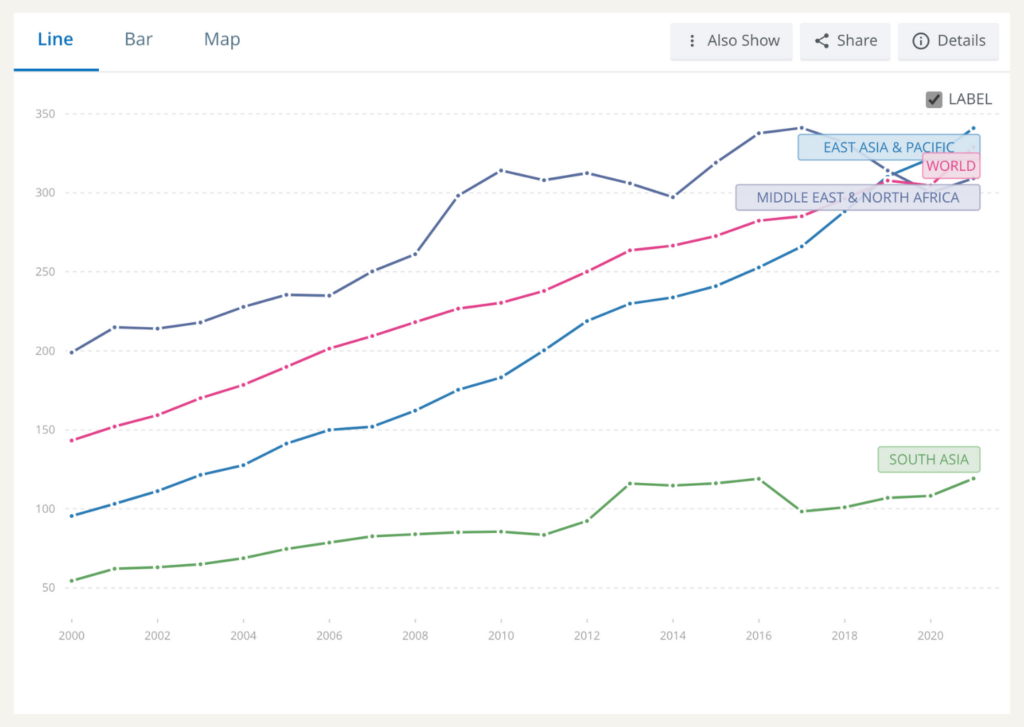
High out-of-pocket healthcare spending can significantly limit access to essential medical services. For vulnerable families, serious illnesses such as cancer often led to borrowing or selling assets to cover medical expenses, pushing them closer to poverty. This undermines countries’ goals of achieving comprehensive health coverage, ensuring all citizens have access to necessary care.
Rising healthcare costs, combined with overburdened public health systems, strained infrastructure, and fragmented medical supply chains, present significant structural barriers to universal health coverage. In Asia and the Pacific region alone, 1.6 billion people remain vulnerable to health complications without adequate financial protection.
While Western medicine has made tremendous advancements, the escalating costs highlight the limitations of its scalability. Therefore, it is essential to broaden our approach by integrating traditional and complementary medicine (T&CM) into healthcare systems, offering more accessible and holistic solutions to address these challenges.
Traditional Chinese Medicine in China
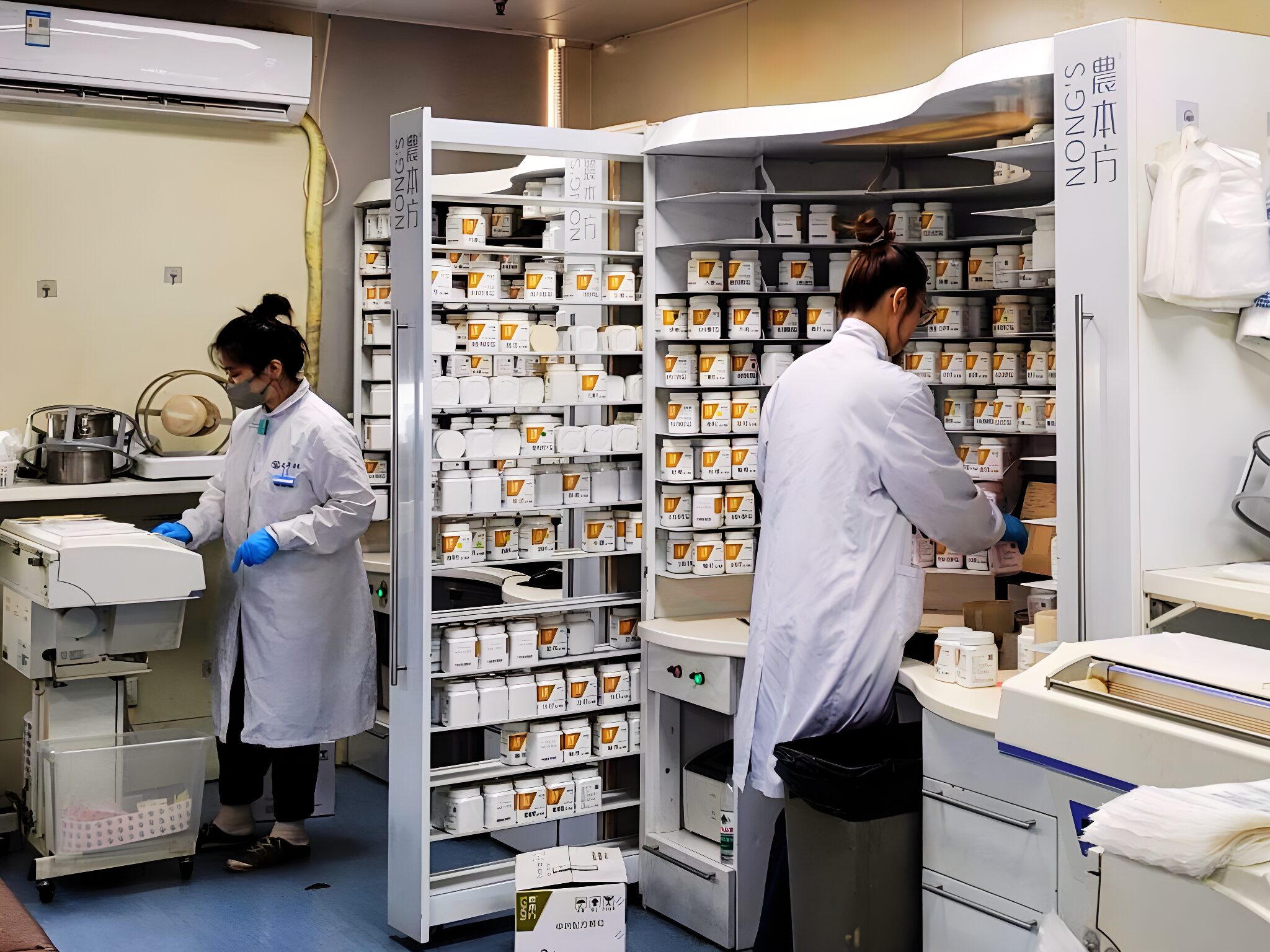
When discussing T&CM, it’s impossible to overlook China’s central role. As the longstanding steward of Traditional Chinese Medicine (TCM) practices for centuries, the country has not only preserved this rich medical tradition but has also driven significant advancements in recent years, blending ancient wisdom with modern innovation.
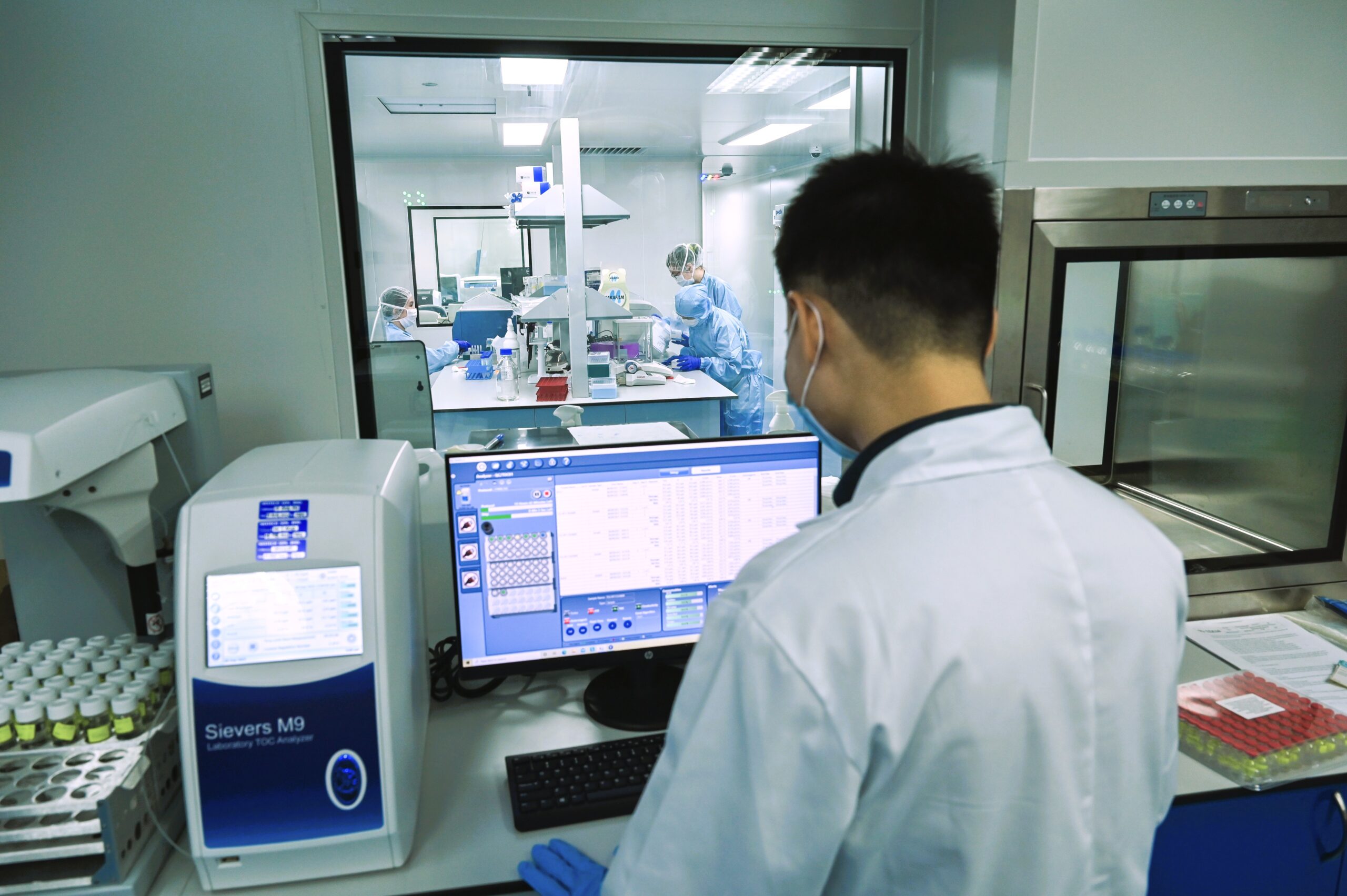
Substantial support is provided by the government in developing the TCM industry, which sees a range of TCM pharmaceutical companies ramping up production capacity to meet the medicine and equipment demand of TCM hospitals and clinics.
In China, there is a total of 70 tertiary education institutions that conduct TCM education, research, and clinical practice. The intense R&D work has led to innovative breakthroughs in our understanding of health and medicine.
The 2015 Nobel Prize of medicine awarded to Professor Tu Youyou for her discovery of antimalarial compounds in sweet wormwood, an herbal plant used in TCM, represents the growing scientific backing of TCM knowledge.
Growth Factor
TCM’s effectiveness in disease diagnosis, treatment, and recovery speaks for its popular acceptance in China and parts of East and Southeast Asia. Indeed, TCM has yet to reach the prevalence and acceptance enjoyed by Western medicine in the mainstream health system, but this is not to neglect its potential to do so.
Three aspects underlie TCM’s potential to reach a global audience and contribute meaningfully to the goal of universal health coverage:
1. Holistic view on wellbeing
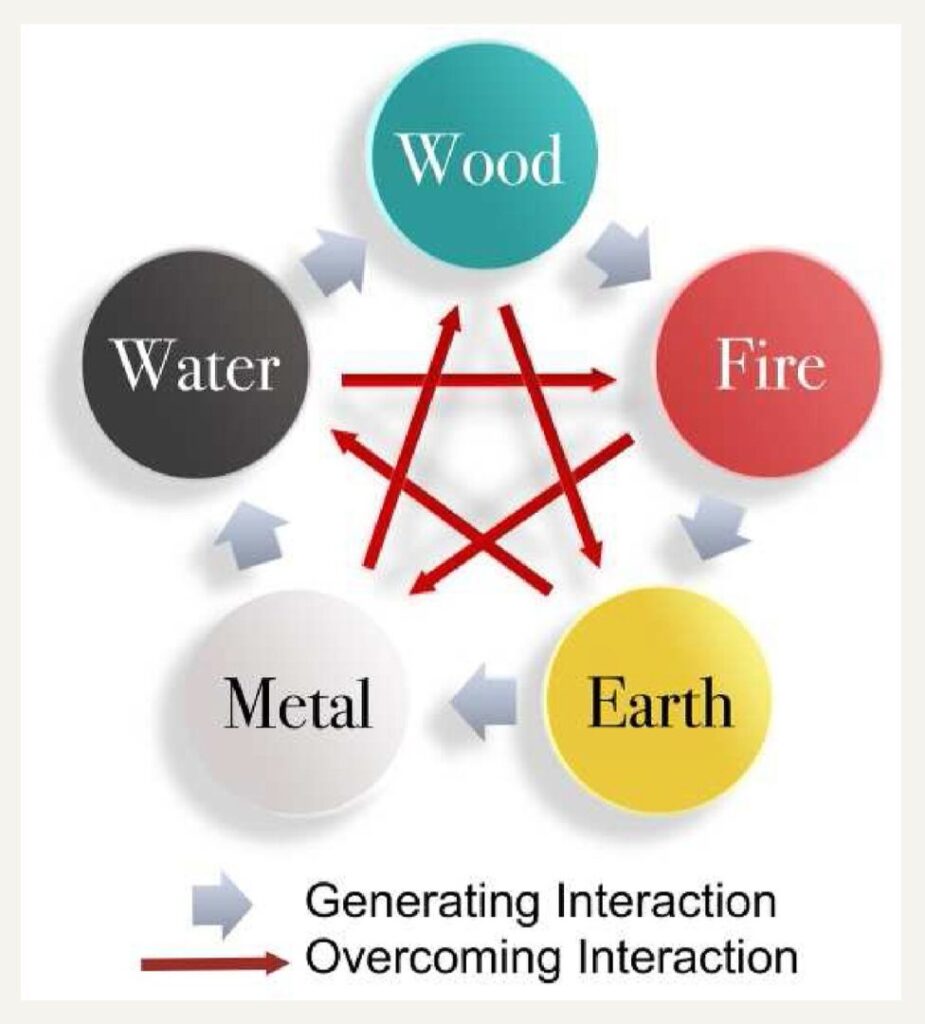
TCM considers the human body to be a small universe where humans are in unity with nature. It posits that a holistic understanding of the organisational system in human body must be integrated systematically with external factors such as the natural environment, social state, and the changing seasons. The five zang organs, six fu organs, meridians, qi and blood must function in harmony with the natural elements.
In the eyes of TCM, diseases are often caused by a disruption in the natural balance of the body, yin and yang, hence the treatment approach will focus on the restoration of balance. This will entail a much longer treatment regime but with a greater emphasis on maintaining wellness and harmony even after the disease is alleviated. This is well in line with the idea that health extends beyond the absence of disease but also harmony in the environmental and mental dimensions.
2. Emphasis on prevention
As human beings interact with everything in nature, it will be shown in an appearance referred to as “image”. The method of evaluating signs of the human body through external observation and internal speculation is called “image thinking”, a core characteristic of TCM. This method is further developed into a rich theory on the recognition of pathological signs at four layers of the human body, from the outermost weifen layer to the innermost xuefen layer.
Disease presentation and, thus, prevention usually follows this direction, going from external and obvious to the internal and obscure. The method is useful in detecting minor symptoms and prescribing treatment prior to the full presentation of disease. For example, hepatitis B virus markers is proven to align with this disease presentation theory, opening opportunities for early intervention, leading to better outcomes and lower overall healthcare costs.
3. Affordable for all
TCM medicine is primarily plant based and takes the form of herbal decoction made from medicinal plants, though ancient practitioners also included animal parts too. Volumes of publicly available pharmacopeia often act as definitive reference for medicine use where the properties of each medicinal plant with usage and preparation method carefully documented and further verified by modern studies.
TCM knowledge is built up by hundreds of years of practical knowledge and it belongs to all. This represents a fundamental difference in terms of pharmaceutical production where, unlike its Western counterparts, the absence of profit-minded gatekeepers among TCM pharmaceutical companies enable the cost of TCM drugs to remain affordable and accessible as production is streamlined and more efficient.
Holistic, preventative, and affordable are all key attributes of TCM that attest to its potential to contribute to universal healthcare. The key lies in the successful integration of TCM with Western medicine, incorporating a radically different viewpoint on human wellbeing in the healthcare system. As TCM matures in China, it has all the elements of scaling regionally to benefit a wider population. This ambition is rightly captured in China’s Health Silk Road, a set of health cooperation policies under the caveat of Belt and Road Initiative.
Ready to Scale
In 2023 alone, TCM pharmaceutical manufacturers recorded export volume reaching US$5.46 million to 196 markets, reaching as far as UK and Canada. TCM is also embracing digitalisation, adopting a more modern approach in its practices and delivery.
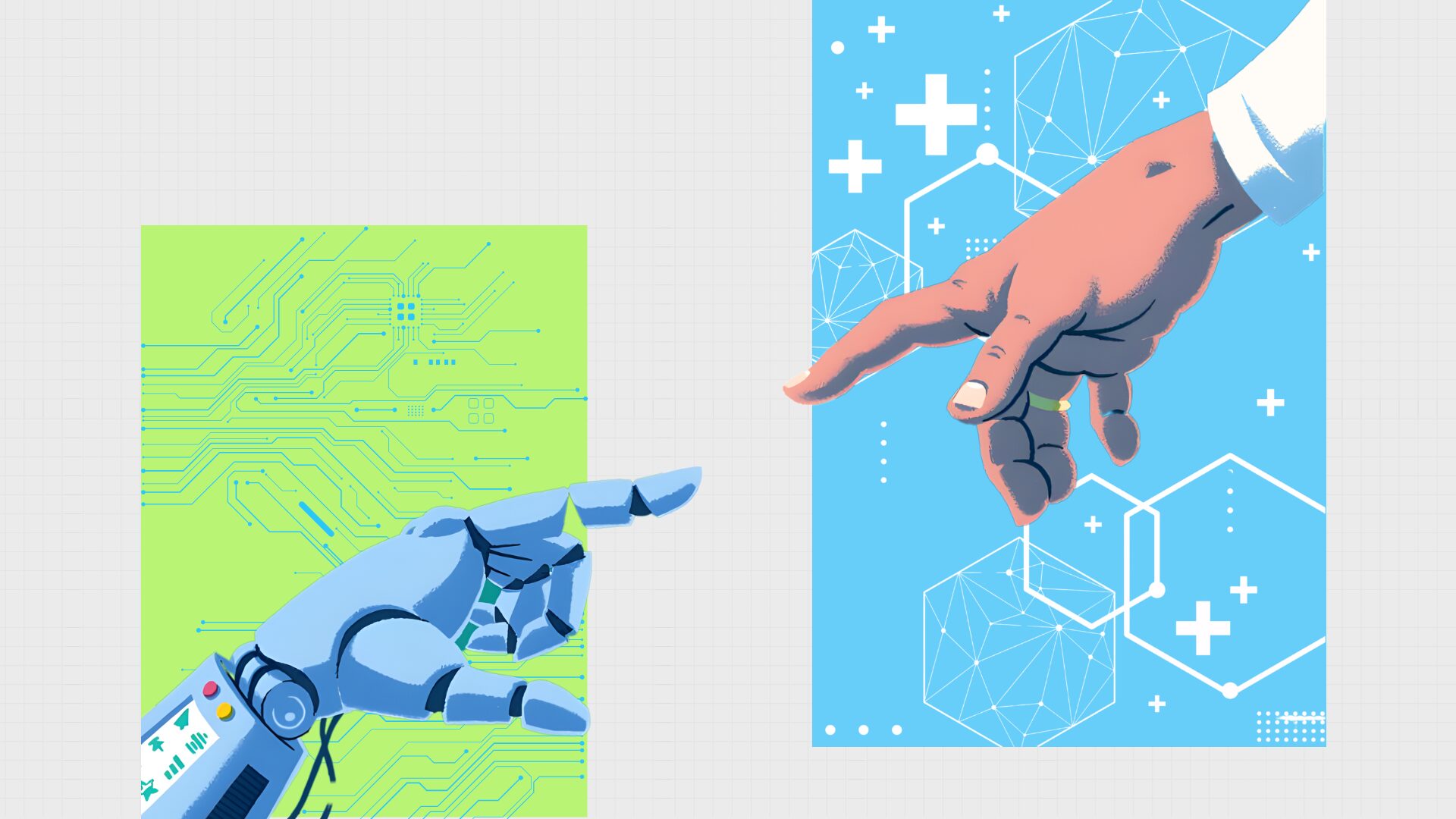
The advancement in artificial intelligence led to the creation of AI-powered tongue image diagnostics tools with over 80% accuracy. Deployed at scale, the diagnosis system can be installed at home to enable daily health monitoring. Coupled with telemedicine option, AI-optimised decoction preparation facility, and a mature network of distribution system, TCM can enable personalised health service in millions of households.
Efforts by ISO/TC 249 in standardising TCM medical nomenclatures, disease classification, and procedures are underway to prepare TCM for a greater international audience. As TCM continues to modernise and expand, it stands as a shining example of the potential of traditional and complementary medicine in contributing to global healthcare.
Now, imagine the same for the different forms of traditional medicine that are widely used throughout the region: India’s Ayurvedha, Thailand’s herbal medicine, Indonesia’s Jamu medicine, Japan’s eastern medicine, Malaysia and Brunei’s traditional Malay medicine etc.
How will the region’s healthcare system evolve if these medical systems are provided the platform and resources to modernise, develop, and integrate?
This critical question will be addressed in GIFT’s upcoming Asia Young Leaders Programme (AYLP). We will imagine the future of healthcare through the creation of a Regional Traditional and Complementary Medicine Hub that facilitates exchange not only on TCM but all Asian traditional medicines.
As the world grapples with rising healthcare costs, the exciting innovations such as this, will play a pivotal role in regional healthcare cooperation, advancing the mission of achieving universal health coverage for Asia and beyond. Now is the time to start prioritising this crucial dialogue.
Lim Kwok Foong
Lim Kwok Foong was a Programme Associate at GIFT, ASEAN office, where was is involved in planning and executing leadership programmes aimed at redesigning society for a sustainable future. He holds a Bachelor’s degree in Science, majoring in Medical Biotechnology. His interests include environmental sustainability, alternative development models, and Southeast Asian history.