

As a Malaysian employer, I am on the frontlines, witnessing the decline in quality talent and its exodus. The repercussions of which have a long-lasting impact on our economy and society.
Malaysia, unfortunately, is not immune to this trend, with a staggering 5.5% of Malaysians leaving, surpassing the global average of 3.3%. This mass emigration of highly skilled individuals deprives the country of its most valuable asset: its people –of whom – 1.13 million Malaysians are powering the economy of our neighbour across the border, Singapore.
A nation’s innovation ecosystem is intricately linked to the presence of skilled professionals, so Malaysia is left struggling to keep pace with the global tide of advancement.
The urgency for change cannot be overstated, and we must recognise that our current trajectory is unsustainable, both economically and socially. The brain drain hemorrhages not just skills but also the potential for economic growth. In monetary terms, the cost of losing highly educated individuals can be felt in every sector, where employers pay heftily for expatriate employees from the Global North.
The educational investment into our local human capital, the potential tax revenues, and the contributions to innovation – all lost in the wind of brain drain. This calls for a swift and decisive remedy; a paradigm shift in our ways of thinking and working.
The solution to this grave issue demands more than a mere band-aid fix. It requires a profound cultural reset – a recalibration of the signals and narratives that our nation projects to its educated workforce. It goes beyond a mere adjustment of policies or procedures. It’s about rewriting the unwritten rules that dictate who succeeds and who gets left behind in our society.
In essence, a cultural reset is a bold reimagining of what Malaysia can be—a nation where unity, inclusivity, and meritocracy reign supreme and where every citizen can fulfil their potential and contribute to the collective prosperity of our beloved country.
The call for change is not a plea for altruism but a pragmatic acknowledgment of the economic imperative. A cultural reset is an economic necessity.
A nation that fails to harness its diverse talents is destined to fall behind in the global race for innovation and progress.
The most apparent factor driving this brain drain is Malaysia’s economic landscape, characterised by an insufficient minimum wage, rising inflation, and low labour productivity. The final nail in the coffin is the disparity in starting salaries for fresh graduates, which makes seeking opportunities abroad more enticing. The other conventional culprits of the brain drain – the absence of meritocracy, pervasive nepotism within Malaysia’s “cable’ culture, and poor recognition, work ethics, and career advancement – are widely acknowledged. Yet, lurking beneath the surface lies an unspoken undercurrent worsening the issue.
The rise of ketuanan Melayu sentiments and the trend of over-Islamisation in Malaysia are currently standing as heavy barriers to progress. These elements drive home the decades-old institutional and systemic racism.
Indonesia, a nation with a significant Muslim population, presents a stark contrast. Why does it not grapple with the same brain drain issues as Malaysia? The answer lies in the difference in their approaches to diversity and inclusivity. While Indonesia embraces its cultural mosaic, Malaysia is hindered by divisive sentiments, which stifle the full potential of our diverse talent pool. This is illustrated by the fact that Chinese and Indian Malaysians face higher propensities to migrate.
This simple comparison illustrates the need to eliminate race-based policies. Strengthening institutions across social, political, and economic spheres ensures that there are no second-class citizens. One cannot begin to address the symptoms of low wages without first treating the overarching cancer of systemic racism.
“
A cultural reset is an economic necessity. A nation that fails to harness its diverse talents is destined to fall behind in the global race for innovation and progress.
Our nation’s progress hinges on our ability to adapt and evolve.
A harmonious blend of diversity is an invaluable asset, and Malaysia’s potential lies in embracing our multicultural society. By dismantling the barriers created by years of race-based politicking, we can unlock the full potential of our diverse talent pool. It’s about creating environments where individuals from all walks of life feel valued and empowered to contribute their unique perspectives and talents.
As a Malaysian employer who witnesses the drain of talent firsthand, I implore our leaders and fellow citizens to recognise the urgency of this matter. We need a collective commitment to rewrite the narrative, fostering an environment where every Malaysian, regardless of race, religion, and socioeconomic background, can contribute to the nation’s success.
The cost of inaction is steep, and the clock is ticking. Let us usher in a new era—a Malaysia that thrives on the strength of its unity. It is not just a call for change; it is a rallying cry for the survival and prosperity of our beloved Malaysia.
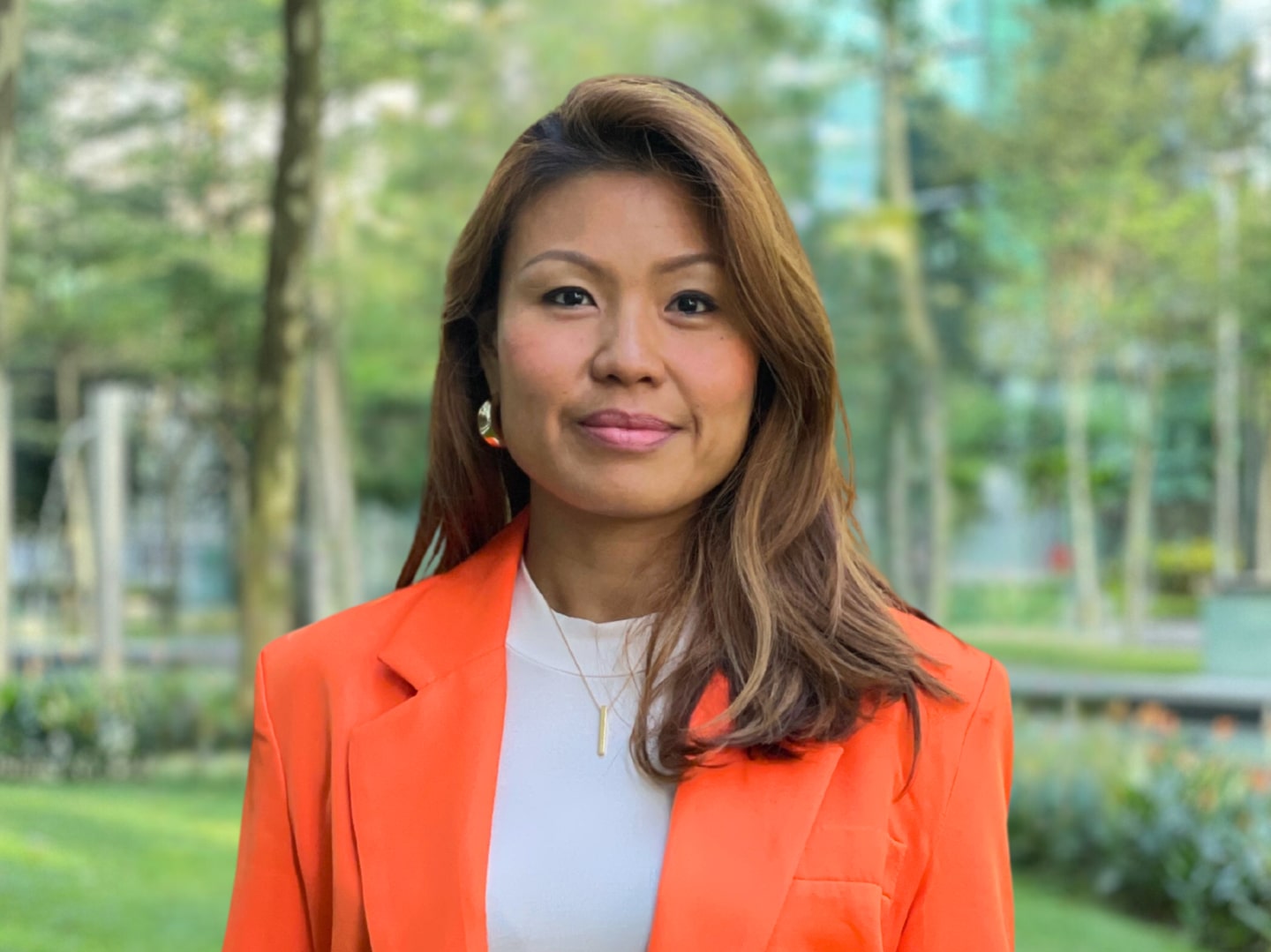
Pial Khadilla is the Managing Director—ASEAN of the Global Institute for Tomorrow (GIFT). She is adept at introducing critical perspectives and fresh ideas on leadership, organisational culture and purposeful corporate development to help companies navigate complexities with greater insight.